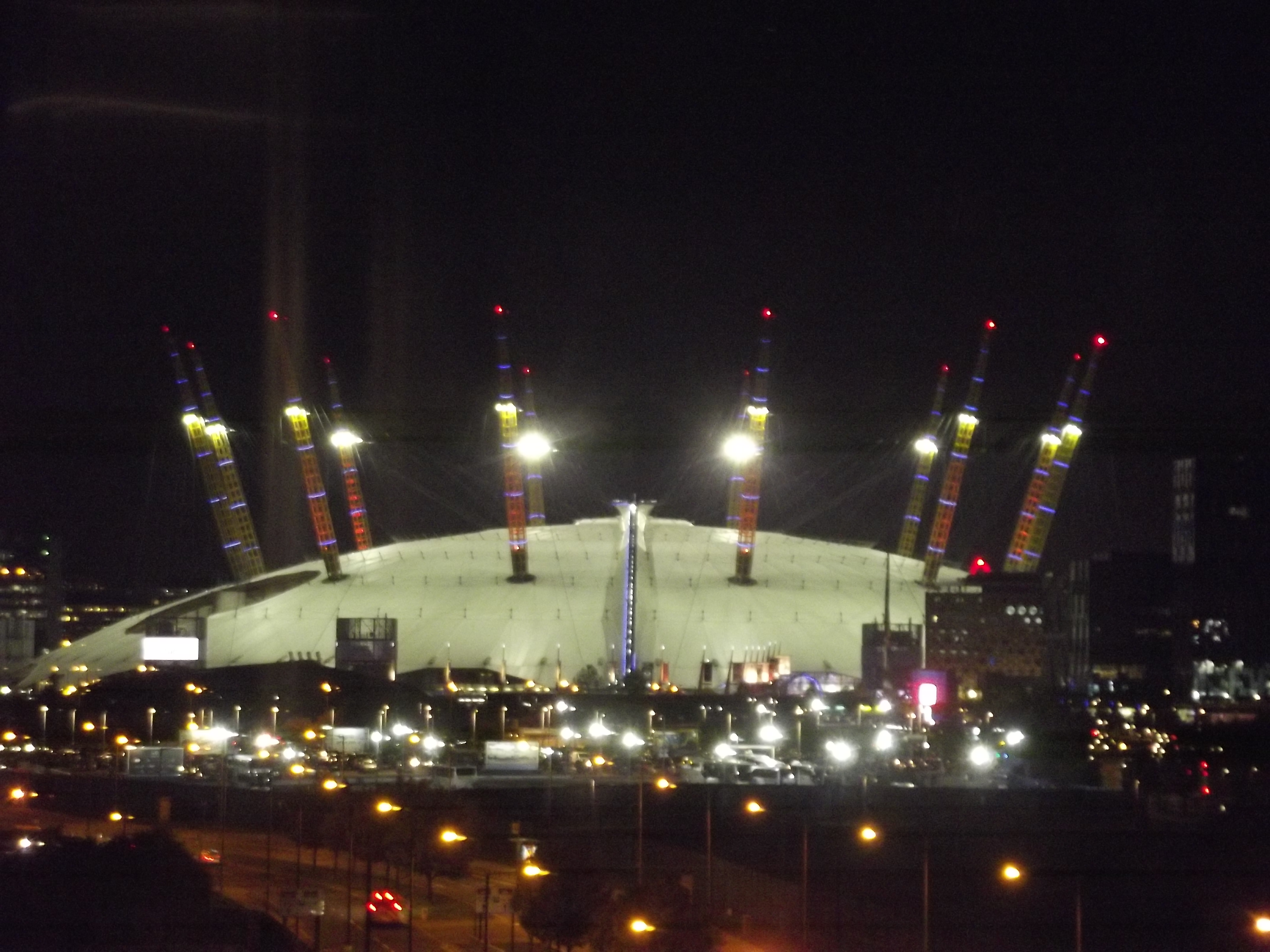
London is one of the most competitive event cities in the world. On any given weekend the capital hosts stadium concerts, club nights, food festivals, conferences and hundreds of community events, all fighting for the same audience. Running a successful event here is entirely possible, but it takes planning, local knowledge and a clear understanding of how the city works. This guide covers the essentials, from licensing to promotion.
1. Choose the right venue and date
Venue choice shapes everything: capacity, budget, atmosphere and the licences you need. London offers everything from 200-capacity pub back rooms and arts spaces to arenas such as The O2 and Wembley, plus exhibition centres like ExCeL and outdoor sites across the royal parks. Match the venue to the audience you can realistically attract, since a half-empty large room feels worse than a sold-out small one.
Check the calendar before you commit. Big sporting fixtures, major concerts, school holidays, bank holidays and Tube strikes can all affect ticket sales and travel. Thursday to Saturday evenings are the most competitive slots, so a Friday after-work event or a Sunday afternoon format can sometimes stand out more than another Saturday night.
2. Get licences and permissions in order
In England, events that involve alcohol, music or late-night entertainment typically need a premises licence or a Temporary Event Notice (TEN) from the local council. A TEN covers small events of fewer than 500 people for up to seven days, and it must be submitted well in advance, so apply early. Larger or outdoor events may also need road closures, park hire agreements, noise management plans and a Safety Advisory Group review. Always confirm current rules with the relevant London borough, because requirements and deadlines differ between councils.
3. Plan safety, security and accessibility
Safety is not optional. You need a written risk assessment, a clear capacity limit, emergency exits, first-aid cover and a trained, licensed security team where required. Public liability insurance is expected by almost every venue and council. Accessibility matters too: step-free entrances, accessible toilets, clear signage and information for guests with additional needs make your event welcoming and are part of your legal responsibilities under UK equality law.
4. Build a realistic budget
London costs are high, so model your numbers carefully. Include venue hire, staffing, security, production, insurance, licences, marketing, payment fees and a contingency of at least 10 to 15 percent. Work out your break-even ticket count before you announce, and set early-bird, standard and late tiers so that you can reward early buyers and still protect your margin. Price transparently, because hidden fees are one of the quickest ways to lose audience trust.
5. Think about transport and the audience journey
Londoners judge events by how easy they are to reach and leave. Choose a venue close to Tube, rail or Elizabeth line stations, publish simple travel directions and check last-train times against your finish time. If your event ends late, consider night bus routes and safe pick-up points, and share this information in your confirmation emails. A smooth journey home is part of a good experience and affects reviews and repeat attendance.
6. Promote early and across several channels
Most successful London events begin promotion at least six to ten weeks ahead. Combine a clear event page, social media, email, partnerships with local communities and influencers, and listings on event discovery platforms. Make sure your event is listed everywhere your audience searches, with a strong image, accurate date and time, exact address and a direct ticket link. Listing on LoocoFest also helps people find your event when they browse London by date and category.
7. Use ticketing and data wisely
Pick a ticketing platform that is reliable, mobile friendly and clear about fees. Track sales daily, see which channels convert and adjust your marketing while there is still time. A short, well-timed reminder campaign in the final week often drives a large share of last-minute sales, particularly in a city where people decide late.
8. Deliver on the day
Brief staff and volunteers properly, run a full rehearsal where possible and keep a single decision maker on site. Manage queues at entry and bars, keep signage clear and have a plan for bad weather if any part of your event is outdoors. Collect feedback through a short survey or social post afterwards, thank attendees and share highlights. The goal is for guests to leave wanting to return, because repeat audiences are the foundation of every long-running London event.
Final thoughts
A successful event in London comes down to preparation: the right venue, the right permissions, a realistic budget, easy transport and consistent promotion. Get these basics right and you give your event the best chance to stand out in one of the most exciting event cities on the planet. Ready to promote yours? Add your event to LoocoFest and reach people searching for things to do in London.