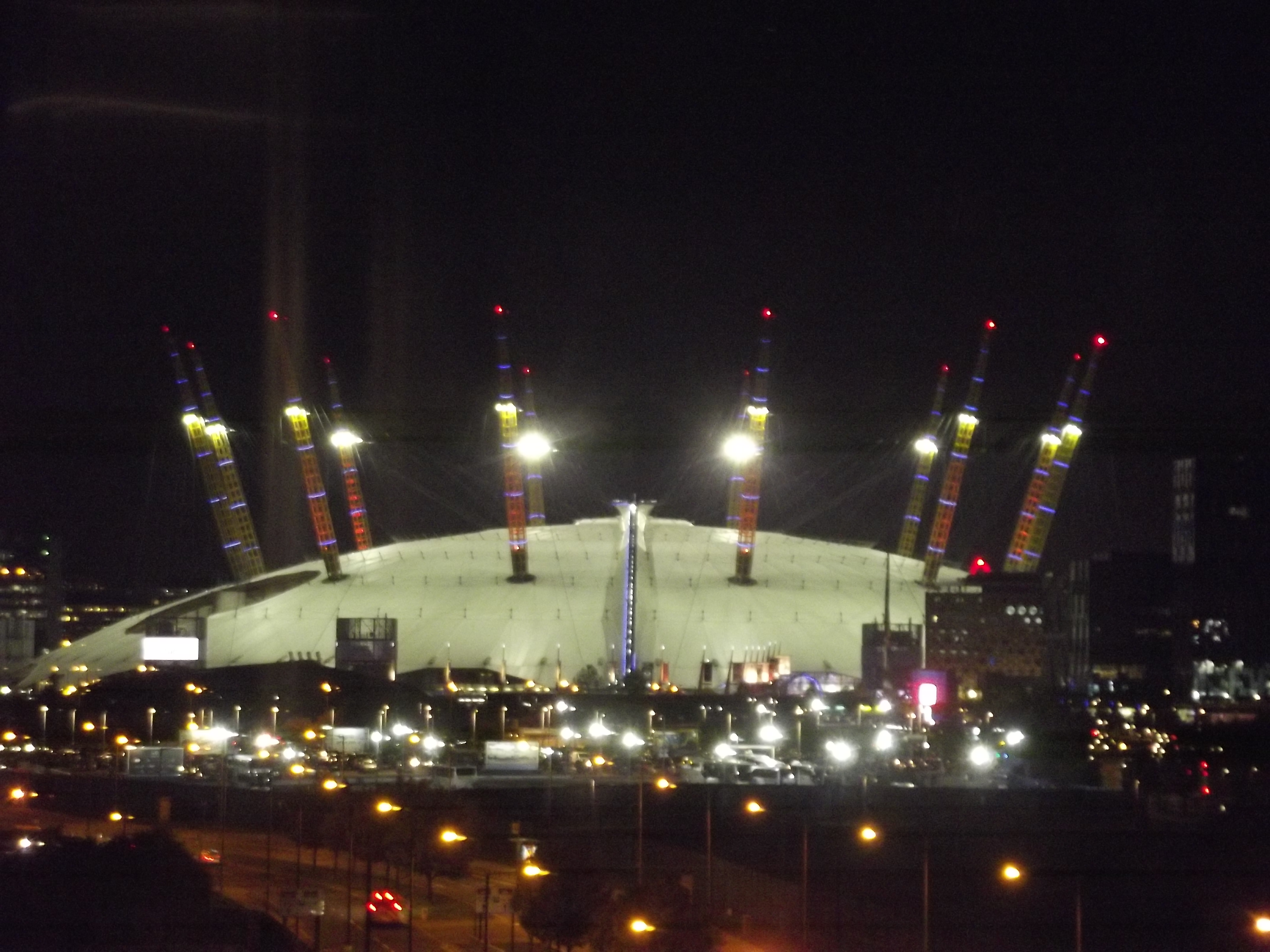
Not all seats are created equal, and knowing how a venue is laid out can make the difference between a night you'll remember and one spent squinting at a distant stage. Whether you're heading to an arena, a stadium, or an outdoor amphitheater, understanding a few basic seating principles will help you choose — and pay for — the right view.
In most arenas, the floor or "pit" sections closest to the stage offer the most immersive experience but often come with the highest prices and the least personal space, especially in general-admission standing sections. If you prefer a full view of the stage design, lighting, and production, seats in the lower bowl, slightly back from the floor, often strike the best balance between proximity and comfort.
For stadium shows, sideline or center-stage sections on the lower level typically offer the clearest sightlines, since sound and video screens are usually oriented toward the center of the field. Seats directly behind the stage, if offered at a discount, can be worth considering for budget-conscious fans, though the artist will usually face away from that side for most of the show.
Always check a venue's official seating chart before buying, and look specifically for any seats marked as obstructed view — these are common behind sound booths, structural pillars, or rigging towers and are rarely worth the savings. Many ticketing platforms, including Loocofest, link directly to interactive seating maps so you can see exactly what a seat offers before committing.
If in doubt, aim for seats with a straight sightline down the center aisle rather than sections at extreme angles — a lower price near the corner of a stage often means craning your neck for the entire show.